The purchase price is only one part of owning a golf cart.
Whether you’re shopping for a new cart in Mesa or Scottsdale or comparing the long-term value of different models, it helps to understand the ongoing costs that come after you bring it home.
Charging, batteries, maintenance, insurance, registration, tires, and upgrades can all affect the total cost of ownership.
The good news is that golf carts – especially modern electric models – can be relatively straightforward to maintain when you choose the right setup and stay ahead of routine service.
Here are the main expenses Arizona golf cart owners should consider.
Start With the Purchase Price
The initial cost of a golf cart varies widely based on:
- New vs. pre-owned condition
- Brand and model
- Passenger capacity
- Battery type
- Street-legal equipment
- Lifted or standard suspension
- Technology and accessories
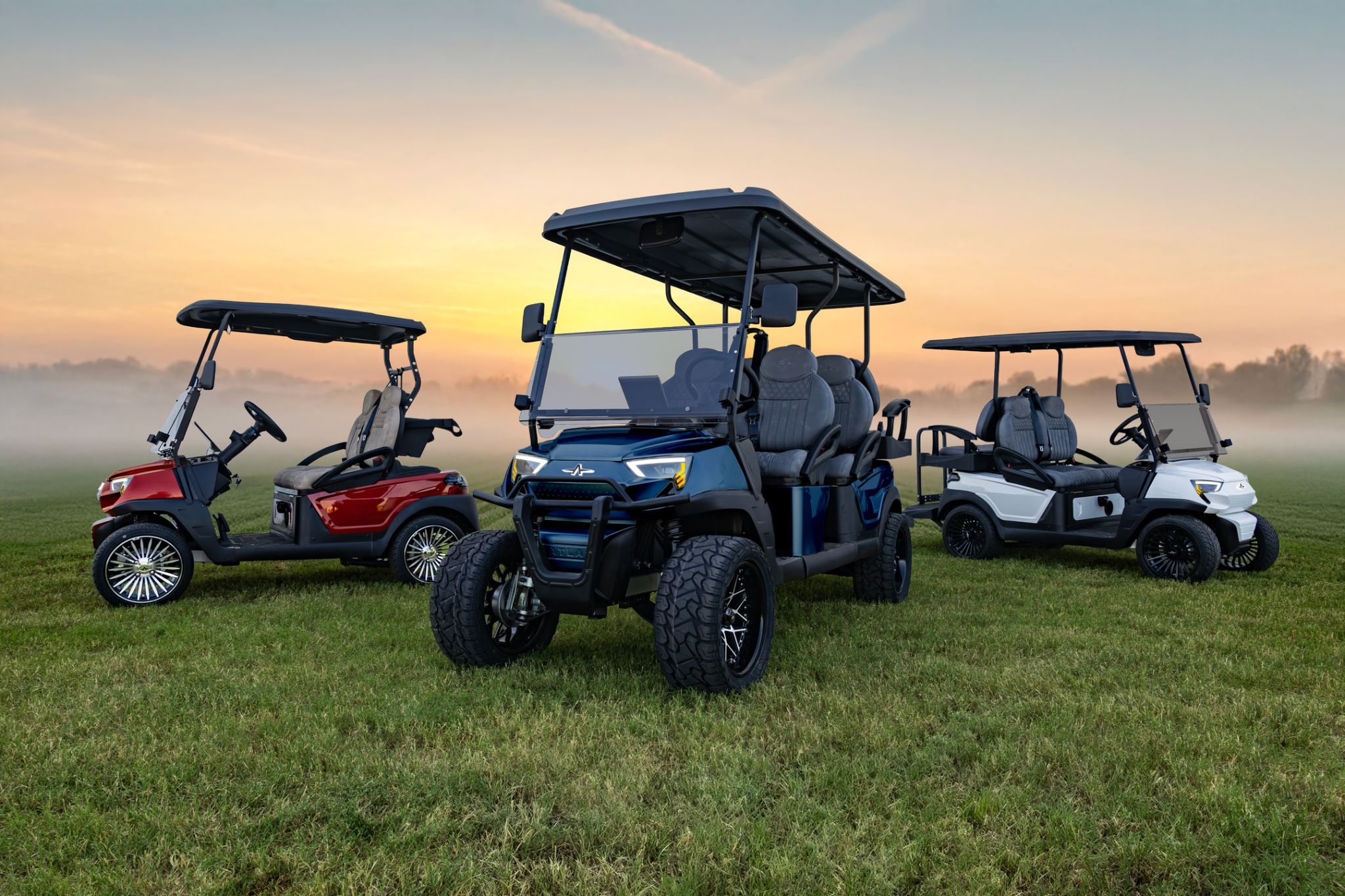
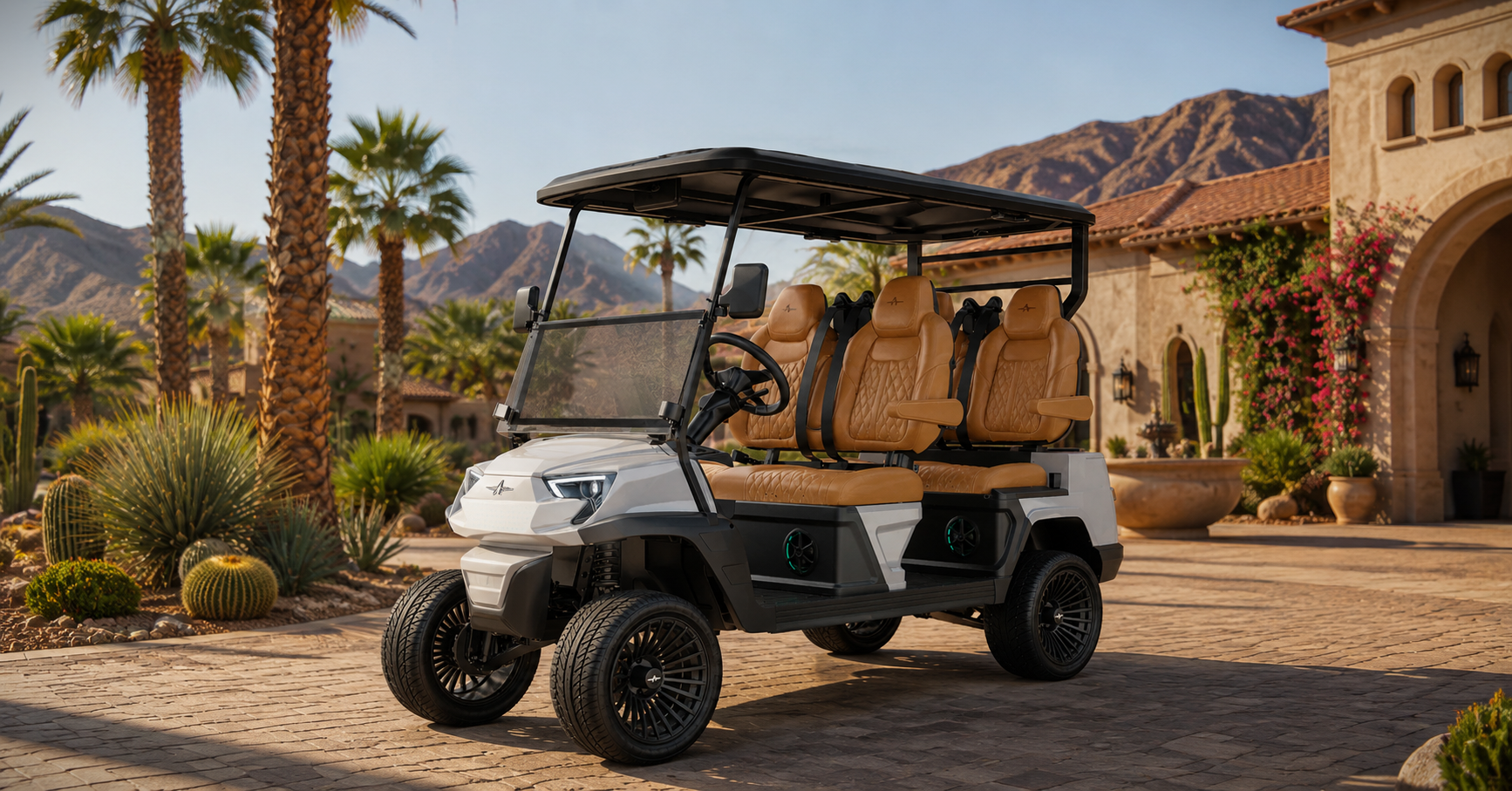
Custom Golf Cars currently offers both new and pre-owned inventory, so buyers can compare different price points and configurations rather than assuming one option fits everyone.
For many buyers, the more important question isn’t simply, “What does the cart cost today?” It’s:
What will this cart cost me to own over the next several years?
Electric Charging Costs
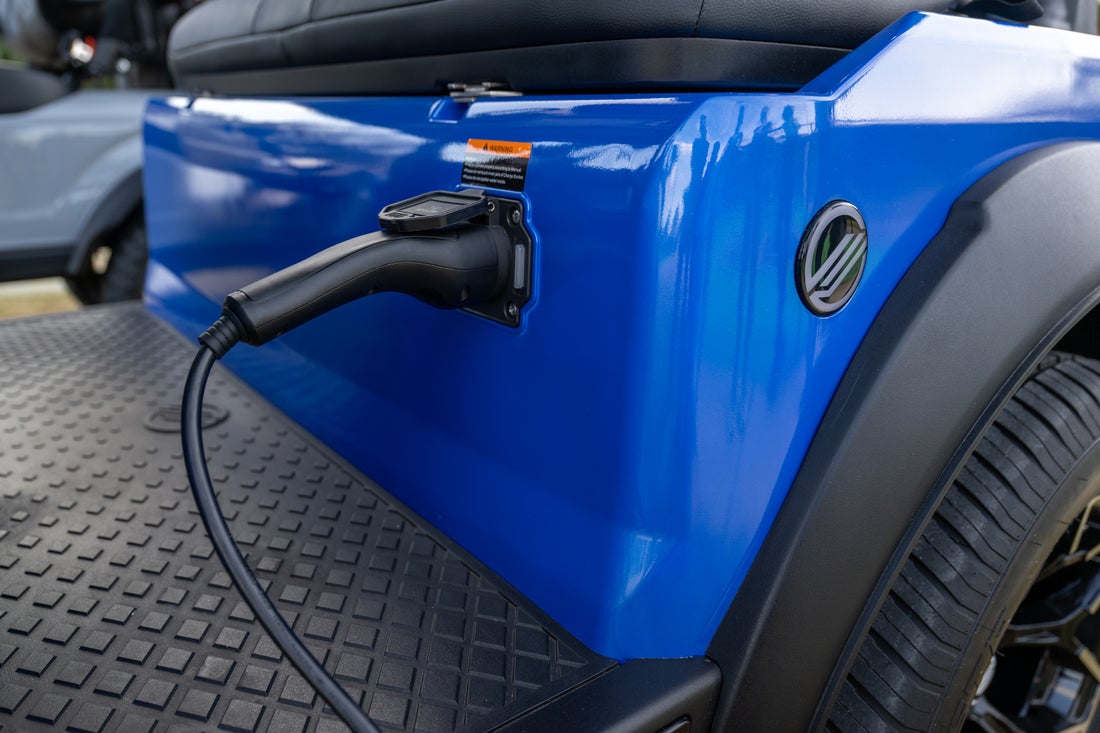
For electric golf carts, charging becomes part of your regular operating cost.
How much electricity you use depends on factors such as:
- Battery capacity
- How frequently you drive
- Distance traveled
- Charging efficiency
- Local electric rates
For most residential owners, charging is handled at home and is generally simpler to budget for than gasoline because there are no trips to the gas station or changing fuel prices to consider.
Rather than publishing a blanket annual charging estimate, it’s more accurate to think of charging as a relatively predictable household electricity expense that varies with use.
What About Gas-Powered Golf Carts?
Gas carts introduce a different set of ongoing expenses.
In addition to fuel, owners may need to budget for:
- Oil changes
- Filters
- Spark plugs
- Belts
- Engine-related maintenance
Gas models can still make sense for certain high-use or utility applications, but the ongoing maintenance profile is different from that of an electric cart.
That distinction is one reason buyers should compare long-term ownership needs, not just upfront purchase price.
Battery Replacement Is One of the Biggest Variables
For electric golf carts, the battery is one of the most important long-term cost considerations.
Traditional lead-acid batteries generally cost less initially but require regular maintenance and eventual replacement.
Lithium batteries usually cost more upfront but offer advantages such as:
- Longer service life
- Faster charging
- Less routine maintenance
- More consistent performance
- Lower weight
A cart equipped with lithium from the start may therefore cost more initially but require fewer battery-related expenses over time.
Routine Maintenance Still Matters
Even electric carts aren’t completely maintenance-free.
Owners should still plan for periodic attention to:
- Tires
- Brakes
- Steering
- Suspension
- Electrical connections
- Lights
- Battery cables
- Windshields and mirrors
Arizona also adds its own unique maintenance challenges. Intense heat, UV exposure, dust, and monsoon weather can accelerate wear if a cart isn’t properly stored and maintained.
Preventive maintenance is generally easier—and less expensive—than waiting for a small issue to turn into a larger repair.
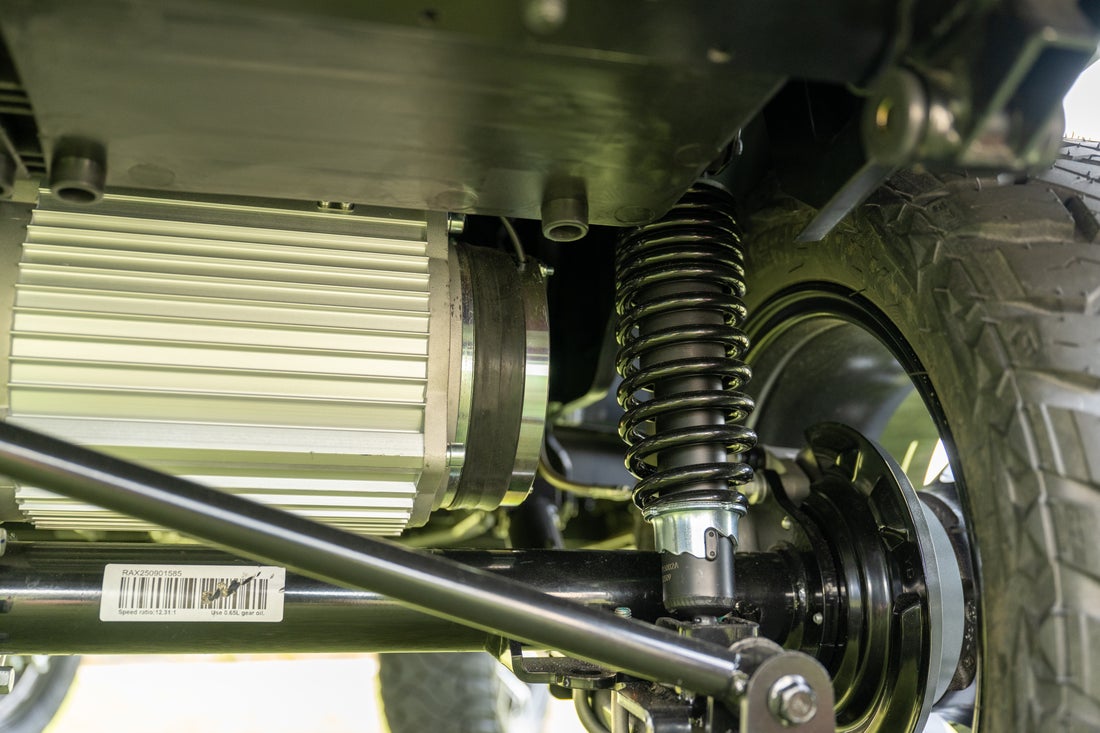
Tires and Suspension
Tires are another recurring ownership cost.
How quickly they wear depends on:
- Mileage
- Road surface
- Tire type
- Alignment
- Driving habits
- Whether the cart is lifted
Street tires used mainly on paved neighborhood roads may have very different wear patterns from aggressive all-terrain tires.
Suspension components also deserve attention, especially on carts regularly driven over uneven roads or rougher terrain.
This is one area where buying the right configuration from the beginning can help avoid unnecessary upgrades later.
Insurance and Registration Costs
If you operate your golf cart on Arizona roads, insurance and registration can also become part of the cost of ownership.
Arizona requires liability insurance for vehicles operated on state roadways, and that requirement specifically includes golf carts. Current minimum liability limits are $25,000 for bodily injury to one person, $50,000 for two or more people, and $15,000 for property damage.
Your actual insurance premium will depend on the cart, coverage, driver, insurer, and how the vehicle is used.
Registration costs can also vary depending on vehicle classification and individual circumstances, so owners should verify current requirements with the Arizona MVD rather than relying on a generic estimate.
Accessories and Customization Can Change the Budget
One of the fun parts of golf cart ownership is customization, but upgrades can quickly change the total investment.
Popular additions include:
- Custom wheels and tires
- Lift kits
- Premium seating
- Audio systems
- Lighting
- Storage
- Enclosures
- Street-legal equipment
There’s nothing wrong with upgrading your cart. The key is deciding which features you actually want before buying.
A new model that already includes premium equipment may sometimes make more financial sense than purchasing a basic cart and adding several upgrades afterward.
Financing Changes the Monthly Cost, Not the Total Cost
Financing can make a higher-quality cart easier to fit into your monthly budget, but buyers should still consider the full purchase price, interest, and term.
For some shoppers, financing makes it possible to buy a newer cart with lithium power or included features rather than purchasing an older model and paying for upgrades later.
What About Resale Value?
Resale value is easy to overlook because it doesn’t matter until you’re ready to sell or trade your cart.
Factors that can influence future value include:
- Brand reputation
- Age
- Condition
- Battery health
- Service history
- Popular features
- Quality of modifications
- Local demand
Keeping maintenance records and avoiding poorly executed modifications can help protect the value of your cart over time.
A well-maintained newer cart may cost more upfront but also retain more value when you’re ready for your next one.
So, What Does a Golf Cart Really Cost to Own?
There isn’t one honest number that applies to every golf cart owner.
A better way to calculate ownership cost is to consider:
Purchase price + energy or fuel + maintenance + batteries + tires + insurance/registration + desired upgrades − eventual resale value
A lightly used neighborhood cart and a heavily driven commercial cart will have very different costs.
That’s why the best value isn’t always the cart with the lowest price tag. It’s the cart that fits how you plan to use it without creating unnecessary expenses later.
Find the Right Golf Cart for Your Budget
Understanding the total cost of ownership makes it easier to choose a golf cart that fits both your lifestyle and your budget.
At Custom Golf Cars of Mesa & Scottsdale, our team can help you compare new and pre-owned carts, battery options, features, financing, and long-term ownership considerations so you can make a confident decision.
Explore our current inventory – including modern Atlas models – or stop by one of our locations to compare your options in person.
👉 Schedule a Test Drive Today
📍 Mesa: 📞 (480) 373-6176
📍 Scottsdale: 📞 (480) 794-1726